

Published September 29, 2025 • by Social Media Team
Introduction
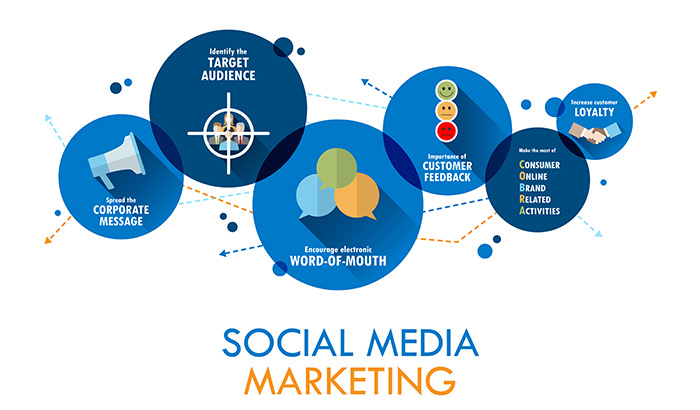
Social media is no longer just a tool for awareness; it has become a critical channel for generating leads, building communities, and establishing authority in the B2B space. A robust social media strategy drives meaningful engagement with decision-makers and nurtures long-term client relationships.
This guide explores key strategies for leveraging social media to grow your B2B brand while maintaining credibility and measurable ROI.
1. Platform-Specific Targeting
Each social media platform serves a unique purpose in B2B marketing. Understanding the audience, content style, and engagement patterns for each platform ensures that your efforts reach the right people at the right time.

Best Practices:
- LinkedIn: Ideal for professional networking, industry insights, and lead generation campaigns.
- X (Twitter): Use for thought leadership, company updates, and participating in trending industry discussions.
- Niche Communities: Engage in forums, groups, or Slack channels specific to your industry to gain visibility among targeted prospects.
Platform-specific targeting reduces wasted efforts and ensures that your content resonates with decision-makers in your niche.
2. Content that Engages
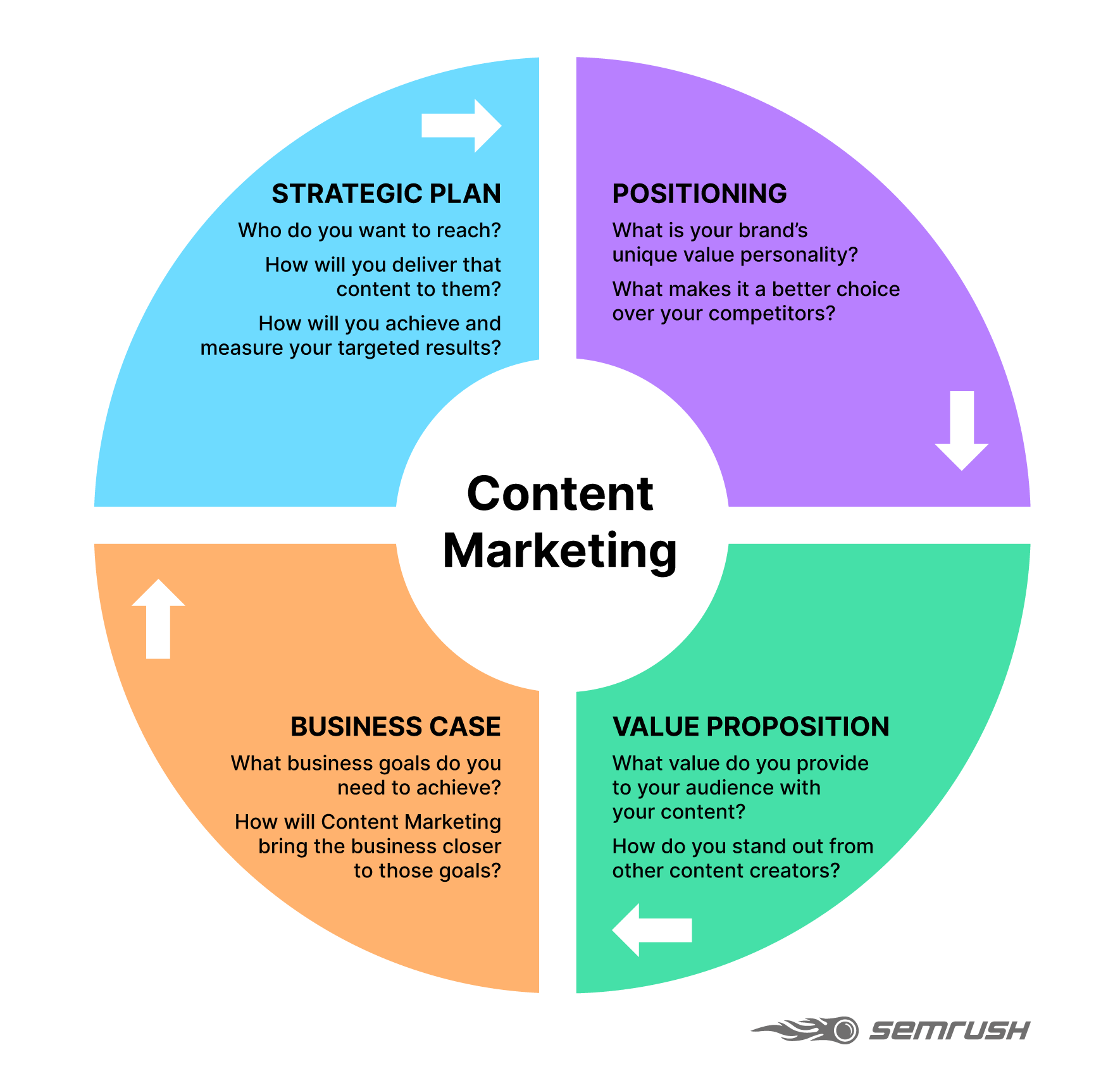
Content is the backbone of any social media strategy. For B2B brands, educational, insightful, and client-focused content drives engagement, builds authority, and nurtures prospects along the buying journey.
Key Content Strategies:
- Post educational, value-driven insights that solve industry-specific problems.
- Use rich media like carousels, infographics, and videos to increase attention and shareability.
- Showcase client success stories or case studies to strengthen credibility and social proof.
- Maintain a consistent posting schedule to stay top-of-mind with your audience.
Engaging content fosters trust and positions your brand as a thought leader, creating more opportunities for meaningful conversations with prospects.
3. Analytics and Optimization
Tracking your social media performance is essential for understanding what works and where improvements are needed. Metrics like engagement rates, click-throughs, and lead conversions guide strategic decisions.
Optimization Tips:
- Regularly analyze platform-specific analytics dashboards.
- Test different post formats, timings, and messaging to optimize engagement.
- Use A/B testing for campaigns targeting high-value leads.
- Refine your content strategy based on performance insights.
Continuous optimization ensures that your social media efforts are efficient and aligned with business growth goals.
4. Building Brand Authority
In B2B marketing, credibility is everything. A strong social media presence reinforces trust and positions your company as a leader in the industry.
Strategies for Authority:
- Engage with industry leaders and comment on trending topics.
- Publish original research, whitepapers, or insights to showcase expertise.
- Encourage employees to share company content to amplify reach.
- Respond promptly to comments and questions to demonstrate reliability.
Brand authority accelerates lead nurturing and helps convert prospects into loyal clients.
5. Leveraging Paid Social Campaigns
Organic reach alone may not be enough. Paid campaigns can complement your organic strategy and help target decision-makers more precisely.
Paid Campaign Tips:
- Use LinkedIn Ads for account-based marketing targeting key decision-makers.
- Retarget website visitors with relevant social ads to nurture leads.
- Set clear objectives and KPIs to measure campaign ROI.
- Continuously test ad creatives and messaging for optimal results.
Paid campaigns amplify visibility and accelerate the sales funnel, especially when integrated with organic content efforts.