

Published September 20, 2025 • by Content Specialists
Introduction
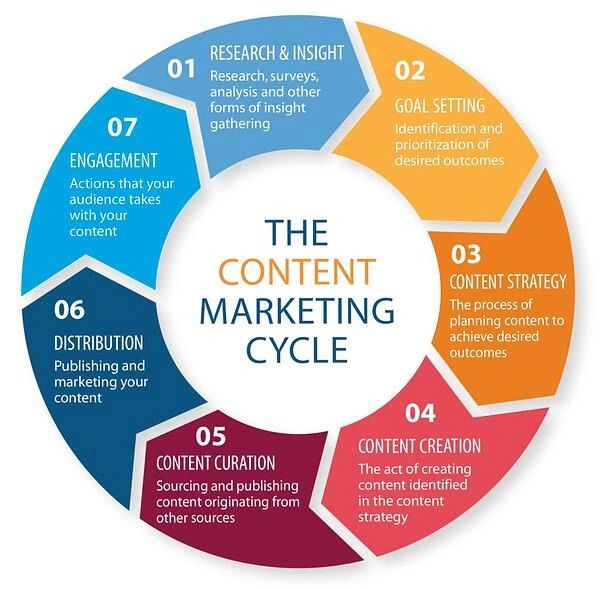
Content is more than just words on a page — it’s the strategic bridge between awareness and action. In B2B marketing, content must do more than inform; it must inspire decision-makers, solve their challenges, and move them toward conversion. Let’s explore how you can turn your content into a powerful lead-generation machine.
1. Understanding Your Audience & Intent
Great content starts with empathy. Understanding your audience’s goals, pain points, and motivations ensures that your message connects on a deeper level. In B2B, this often means addressing operational challenges, ROI expectations, and efficiency concerns.

How to Identify Buyer Intent:
- Develop detailed buyer personas that reflect industry, job role, and pain points.
- Use tools like Google Analytics, SEMrush, or HubSpot to identify content topics that resonate.
- Map each piece of content to a stage in the buyer journey — Awareness, Consideration, or Decision.
When your content aligns with audience intent, it feels relevant and timely — increasing engagement and conversions naturally.
2. Creating High-Value, Search-Optimized Content
SEO and storytelling go hand-in-hand. While search optimization helps your content get discovered, storytelling makes it memorable. Your content should educate, inspire, and guide readers through a narrative that builds trust.
Key Techniques:
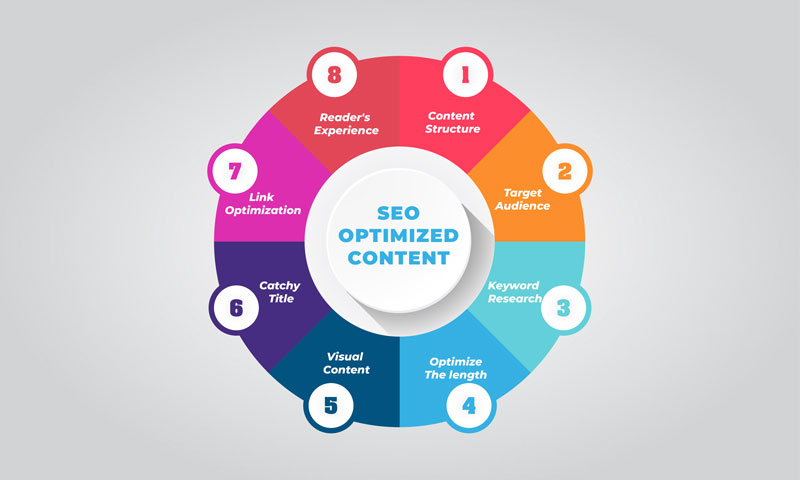
- Incorporate relevant long-tail keywords naturally throughout your copy.
- Use compelling headlines that spark curiosity and promise value.
- Add internal links to related blogs or service pages to guide readers deeper.
- Structure your articles with clear subheadings, bullet points, and visuals for easy reading.
SEO-optimized content not only drives traffic but also attracts high-intent users ready to take action — making every post a conversion opportunity.
3. Crafting Conversion-Focused Messaging
Every great piece of content subtly guides readers toward a goal. Whether it’s downloading an eBook, scheduling a demo, or subscribing to a newsletter, your message should always include a next step that adds value to the reader.

Best Practices:
- Include clear, benefit-driven calls-to-action (CTAs) that align with the reader’s intent.
- Use storytelling to create emotional engagement — not just data points.
- Offer downloadable guides or case studies to collect qualified leads.
- Test CTA placements and phrasing using analytics tools to see what converts best.
Remember — the goal of content is not just traffic, but meaningful engagement that fuels business growth.
4. Measuring Performance and Improving Continuously
Successful content marketing is built on iteration. Regularly analyzing content performance ensures your efforts stay relevant, targeted, and ROI-driven.
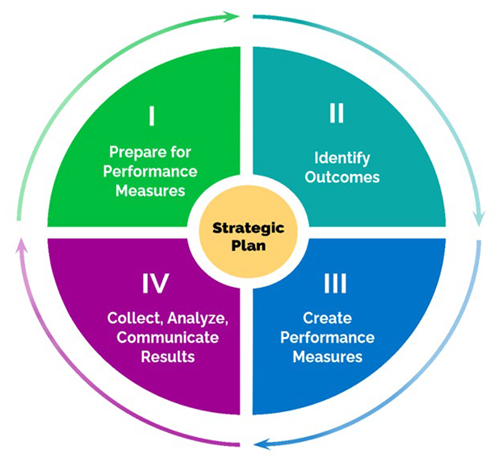
- Track engagement metrics — such as average read time, shares, and click-through rates.
- Use heatmaps to see how readers interact with your pages.
- Double down on topics and formats that yield the highest conversions.
- Update evergreen content periodically to maintain strong rankings.
By refining content continuously, you create a living digital asset that keeps performing long after it’s published.