

Published August 30, 2025 • by Web Design Team
Introduction
Your website is the digital face of your business — often the first impression potential clients get of your brand. In B2B marketing, your site isn’t just about aesthetics; it’s a strategic tool for nurturing leads, demonstrating credibility, and driving measurable conversions. This guide explores the core principles behind building a high-performing, conversion-focused B2B website experience.
1. Prioritize User Experience (UX) and Navigation
Good design starts with clarity. A seamless user experience helps visitors quickly find information, understand your value, and take action. In B2B websites, where buying cycles are longer, intuitive design builds trust and reduces friction.
Key UX Principles:
- Ensure fast loading speeds — aim for under 2 seconds per page.
- Use a clear navigation bar with logical categories (Home, Services, Resources, Contact).
- Include a strong search function to help users locate information quickly.
- Maintain consistent colors, fonts, and design elements for brand cohesion.
Visitors form opinions about your credibility in seconds. A frictionless UX keeps them exploring and builds confidence in your brand.
2. Design for Conversion, Not Just Looks
While visual appeal attracts attention, conversion-focused design moves visitors to act. Every page on your site should have a clear goal — whether it’s scheduling a demo, downloading a case study, or contacting your team.
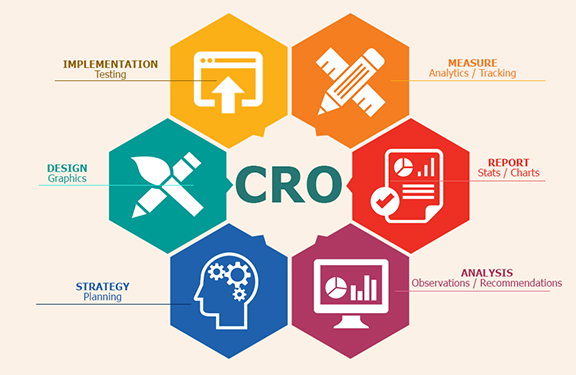
Conversion Optimization Tips:
- Place CTAs (“Get a Quote,” “Talk to an Expert”) above the fold.
- Use contrasting button colors to draw attention.
- Minimize form fields — 3–4 fields typically perform best.
- Include testimonials, reviews, or client logos near CTAs for social proof.
Each design choice should lead users closer to conversion. Remember — clarity converts better than complexity.
3. Create SEO-Driven Content Architecture
Even the most stunning site won’t deliver results if it can’t be found. SEO-focused structure ensures that your website attracts the right audience organically. For B2B, that means targeting specific industries, decision-makers, and problem-solving keywords.
Best Practices:
- Optimize meta titles, descriptions, and header tags for your target keywords.
- Implement internal linking to connect service pages and blogs.
- Use schema markup to enhance visibility in Google search results.
- Develop topic clusters (e.g., Digital Marketing → SEO → Case Studies).
A strong SEO foundation ensures long-term traffic growth and positions your website as an authority in your niche.
4. Enhance Credibility with Design and Messaging
B2B clients seek trust and proof — not hype. Design and copy should communicate authority, reliability, and results. Subtle credibility cues can make a huge impact on how visitors perceive your business.

Build Trust With:
- Case studies and success stories showing measurable results.
- Client logos, awards, and certifications displayed strategically.
- Professional photography — avoid overused stock images.
- Clear “About” and “Team” pages that humanize your brand.
Trust-driven design increases engagement and motivates high-intent visitors to take the next step confidently.
5. Optimize for Mobile and Accessibility
With over 60% of B2B research now happening on mobile, your website must perform flawlessly across all devices. Additionally, accessibility isn’t optional — it’s essential for inclusivity and compliance.
Technical Essentials:
- Use responsive design to ensure seamless browsing on all screen sizes.
- Compress images to improve load speed without sacrificing quality.
- Follow WCAG accessibility guidelines for contrast, fonts, and ARIA labels.
- Test your site across major browsers and devices regularly.
Accessibility and responsiveness demonstrate professionalism — improving user satisfaction and search rankings.
6. Track, Test, and Refine Continuously
A great B2B website evolves with user behavior and business goals. Regular analytics reviews reveal what’s working — and what’s not — enabling you to fine-tune performance.

Measure & Improve:
- Monitor bounce rates, conversion rates, and session duration via Google Analytics or GA4.
- Use heatmaps (e.g., Hotjar, Crazy Egg) to analyze click behavior.
- Run A/B tests for landing pages and CTAs.
- Gather user feedback through surveys and chatbots to guide updates.
Optimization is ongoing — the more you measure, the more conversion opportunities you uncover.