

Published August 12, 2025 • by Strategy Division
Introduction
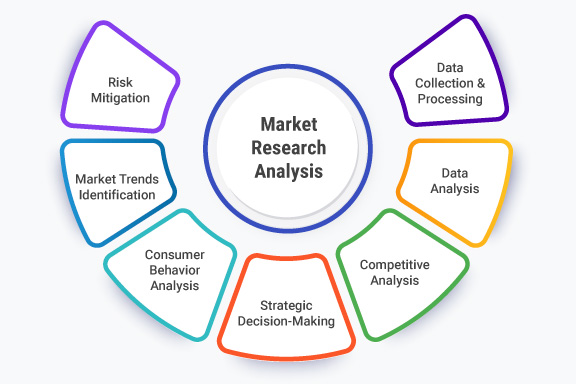
Marketing analytics transforms raw data into actionable insights, allowing businesses to understand what drives engagement, leads, and revenue. By measuring and optimizing key metrics, companies can maximize ROI and make informed decisions across their marketing funnel.
1. Track the Right Metrics
Understanding your marketing performance starts with knowing what to measure. Focus on metrics that directly impact your business goals.
Essential Metrics:
- Engagement rates: Likes, shares, and comments to gauge audience interest.
- Click-through rates (CTR): Shows how effective your calls-to-action are.
- Customer lifetime value (CLV): Helps prioritize high-value segments.
- Lead-to-customer conversion rates: Measures funnel efficiency.
2. Use Data to Refine Campaigns
Data-driven decisions reduce guesswork. Analyzing metrics allows marketers to identify strengths, weaknesses, and opportunities to optimize campaigns.
Tips for Campaign Refinement:
- Segment audiences based on behavior and demographics.
- Test different messaging, creative, and channels to see what resonates.
- Adjust budget allocation toward the highest-performing campaigns.
- Continuously monitor KPIs to ensure alignment with business goals.
3. Leverage Predictive Analytics
Predictive analytics uses historical data to forecast future behavior. This enables proactive decision-making and more effective targeting.
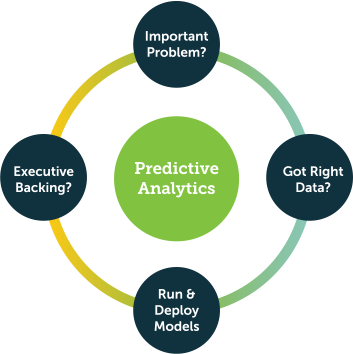
Applications:
- Anticipate customer churn and implement retention strategies.
- Predict which leads are most likely to convert.
- Forecast sales trends to inform marketing spend and campaigns.
4. Visualize Insights for Stakeholders
Clear visualization helps teams and executives quickly grasp performance trends and make strategic decisions.

Visualization Tips:
- Use dashboards to display real-time performance metrics.
- Highlight KPIs with charts, graphs, and heatmaps.
- Keep visuals simple to communicate insights efficiently.
5. Continuous Improvement Through Analytics
Marketing analytics is not a one-time exercise. Regular analysis allows businesses to iterate, improve, and outperform competitors.
- Conduct weekly or monthly performance reviews.
- Use A/B testing to determine the most effective strategies.
- Align insights with overall business goals for maximum ROI.