

Published October 28, 2025 • by SEO Department
Introduction
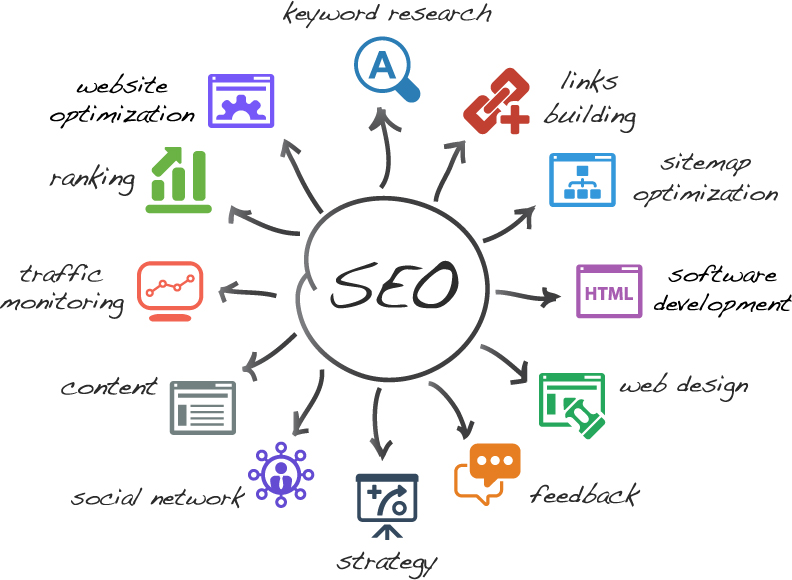
SEO remains the foundation of online success for B2B companies. Unlike paid ads, organic visibility compounds over time — improving traffic quality, trust, and lead generation. Here’s how to build long-term digital strength with smart SEO practices.
1. On-Page SEO Optimization
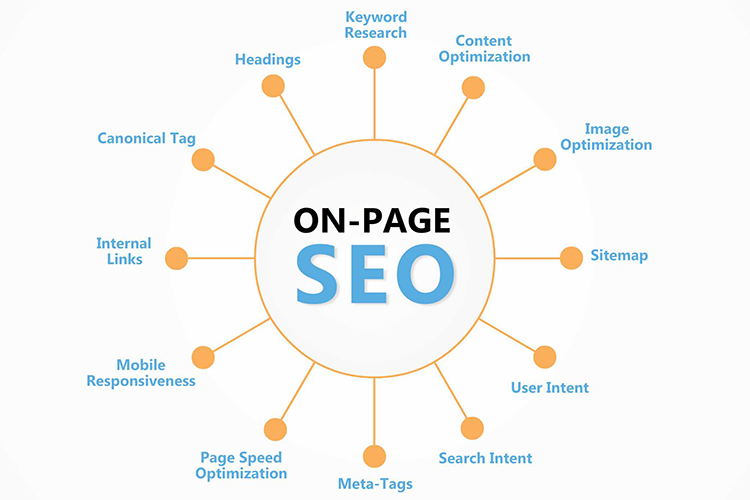
Fine-tuning your on-page elements ensures your website communicates effectively with both users and search engines.
Key Actions:
- Use keyword-rich meta titles and descriptions that match search intent.
- Structure content with H1-H3 headings for clarity and SEO benefit.
- Implement internal linking to guide users and distribute SEO equity.
- Ensure mobile responsiveness and fast load times to improve rankings.
- Use schema markup for rich snippets in search results.
2. Technical SEO & Site Health
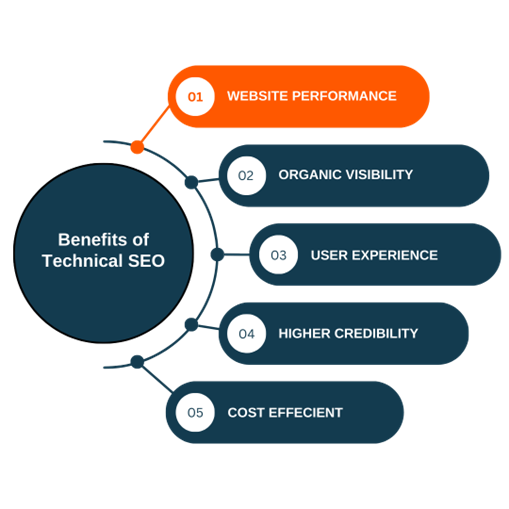
Search engines reward technically sound websites that offer smooth navigation, speed, and security.
Optimization Checklist:
- Implement SSL certificates and secure protocols (HTTPS).
- Fix crawl errors, broken links, and optimize robots.txt and sitemap.xml.
- Regularly audit Core Web Vitals: LCP, CLS, and FID for better UX.
- Use canonical tags to prevent duplicate content issues.
- Enable structured data and AMP for mobile-first indexing.
3. Link Building & Authority Growth
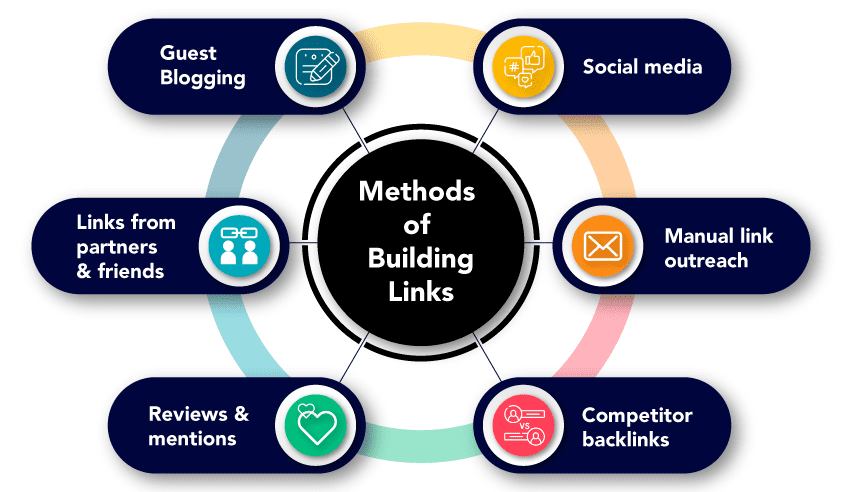
Backlinks remain one of the most powerful ranking signals. Focus on high-quality, relevant links to boost authority.
Effective Strategies:
- Collaborate on guest blogs and contribute to authoritative industry sites.
- Leverage digital PR for brand mentions and citations.
- Build a robust internal linking structure to distribute link equity.
- Create shareable content such as whitepapers, case studies, and infographics.
- Monitor competitor backlinks and pursue similar high-quality opportunities.
4. Content Strategy for B2B SEO
High-quality content drives both search visibility and lead generation in B2B markets.
Content Recommendations:
- Develop long-form, insightful blog posts targeting buyer personas.
- Create downloadable resources: whitepapers, eBooks, and guides.
- Update old content regularly to maintain relevance and rankings.
- Use case studies to demonstrate expertise and build trust.
- Incorporate multimedia content: videos, charts, and infographics.
5. Analytics, Reporting & Continuous Improvement
Monitoring SEO performance allows you to refine strategies and maximize ROI over time.
Analytics Tips:
- Track rankings, organic traffic, and conversion metrics regularly.
- Use Google Search Console and Analytics for insights on user behavior.
- Conduct SEO audits every quarter to identify opportunities.
- Test content, headings, and CTAs to improve engagement and leads.
- Set KPIs for keyword visibility, backlinks, and page performance.